
Ever feel like AI rank tracking is one big black box, and you are supposed to make smart decisions based on vibes and mystery? You are not alone. As LLMs keep reshaping search, most marketers are stuck guessing how often their brand shows up, why answers change daily, and whether these tools actually measure anything real. That uncertainty is exactly why understanding how AI rank trackers work is no longer optional.
In this guide, you will discover:
- The simple two-stage system that powers every major AI rank tracker
- Why prompt libraries matter more than search volume
- How randomness inside LLMs makes “accuracy” trickier than most tools admit
- What you should actually measure if you want reliable insight
- Which AI visibility tools in 2025 are worth your time, and why
You can trust this breakdown because it is grounded in how today’s LLMs really function, from temperature-driven variability to prompt-level data gathering across ChatGPT, Gemini, Perplexity, Claude, and more. The article maps the entire ecosystem, calls out the limitations that tools rarely mention, and even walks you through how to build your own tracker if you want maximum control.
Let’s cut through the hype and show you how AI rank tracking actually works.
How do AI rank trackers work
AI rank trackers work by building large prompt libraries and automating the prompting process to stimulate user behaviour. The tools capture the response results and aggregate the data to provide you with a score.
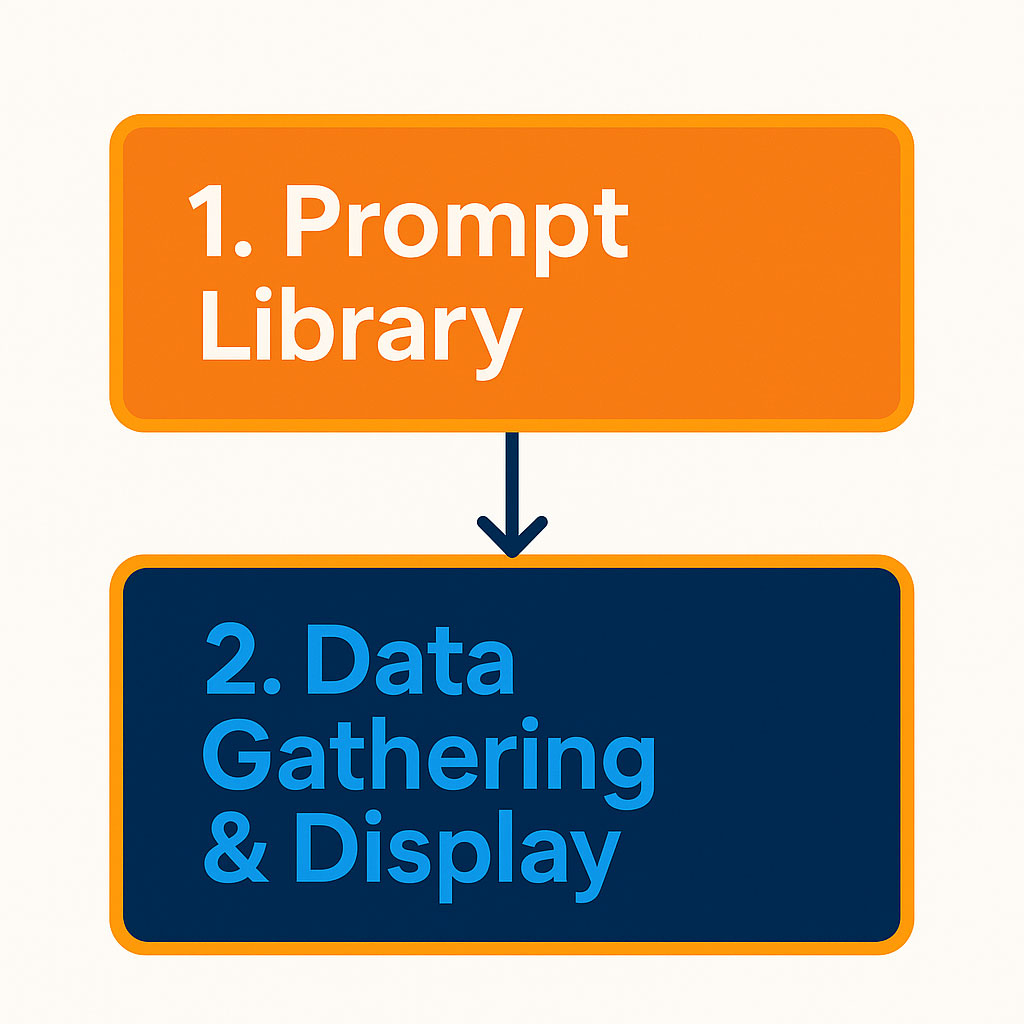
While each tool differs in its execution, the overall architecture has two stages:
- Prompt library: A set of prompts used to query each LLM (Geminii, ChatGPT, Perplexity, etc.). Prompts are built from either real user queries, synthetic methods, or a combination of both. The development of prompts is where each tool distinguishes itself.
- Data gathering and display: With a set of prompts in hand, each tool will send one prompt at a time through automation to an LLM and capture the response. The response is then processed for citations, entities analysis, sentiment and other pertinent data points. The results are displayed in reports for their subscribers.
Limitations of AI in rank tracking
While AI rank tracking can help you get a sense of your brand’s appearance in LLM search, there are some limitations you need to be aware of.
Prompt search volume
As we’ve discussed previously in Rank Tracking is Dead, two searches rarely are the same. Measuring prompt volume then becomes its own game of semantics and relevance. Further, unlike having access to Google Search Console and other scraping tools, access to an individual’s account where an actual prompt exists isn’t possible.
Overconfident “accuracy”
Following along the theme, even when two searches are identical, the response from an LLM will vary. This is due to a setting called temperature. The temperature setting in LLMs controls the randomness and creativity of the text output. A low temperature (close to 0) makes the model more deterministic, meaning it almost always chooses the most likely next word, resulting in accurate, consistent, but potentially repetitive or robotic text. This is ideal for tasks needing precision, such as technical documentation or fact-based answers.
Because of randomness, the accuracy of an AI rank-tracking tool can’t be measured accurately. There will always be variations in a response.
What to do
Okay. So, now you have a view of the limitations of tracking LLMs and the share of voice. Let’s start with what you should do.
Stop building your strategy based on volume
Even before AI search started appearing, measuring search volume and, even more so, position, became a game of sink my battleship. You have pieces on the board and some educated guesses but constant movement of the SERP and its various features make it near impossible to understand where and how often your brand appeared. Given today’s closed-box system and advanced personalization, this is even more extreme.
So, instead of basing your strategy on volume, use customer research to uncover the themes, problems, and solutions your customers are seeking. Build your case around attracting the right people and not just a mass of people.
Set up traffic tracking in Google Analytics
Start by establishing a baseline for LLM traffic to your website. We’ve provided instructions on how to track LLM traffic. You can get this set up in a matter of minutes. This will give you an idea of where you stand today and how much of your overall traffic comes from an LLM. It’ll also provide you with some insights into the opportunity for further optimization.
Measure citations manually
As powerful as the AI rank tracking tools seem, they are likely missing prompts that are important to you. And, until they can share the inside details, you should consider measuring your citations manually,
To do this, create a list of prompts you want to track, plug them into the LLM, and copy the responses and their citations. Do this on the regular. You can automate this process using agents like Perplexity Comet or N8N. Voila, you’ve made your own SaaS product.

Top AI-powered rank tracking software in 2025
While it’s essential to understand the limitations of AI rank-tracking, we see value in tracking your progress and using data to inform decisions. Here are a few tools worth considering adding to your arsenal.
| Tool & Website | Pricing | AI Platforms Covered | Notable Features | Ideal For |
| Semrush AI Visibility Toolkit (Semrush) | $99/month (add-on toolkit). | ChatGPT, Google AI Overviews, Gemini, Perplexity, Claude. | Multi-platform AI visibility analysis; Sentiment & brand performance tracking; Track up to 10 key prompts; Site audit for AI crawlability issues; Weekly AI visibility reports. | SEO/marketing teams (including SMBs) wanting an affordable AI search tracking extension to Semrush. |
| Profound (tryprofound.com) | Enterprise pricing (custom; “Profound Lite” from ~$499/month). | ChatGPT, Perplexity, Google AI Overviews, Microsoft Copilot, Grok (Claude & others in enterprise plan). | Daily AI mention tracking (visibility % and share-of-voice); Conversation Explorer (real AI search volume and prompt trends); Detailed citation tracking & sentiment analysis; Competitor benchmarking dashboard; AI content generator and optimization tools; ChatGPT Shopping result tracking. | Enterprise brands and agencies that need an all-in-one AI visibility suite with deep analytics and reporting (“god-view” multi-client dashboards). |
| Peec AI (peec.ai) | Starts at €89/month (≈$95). | ChatGPT, Perplexity, Google AI Overviews, Gemini, Claude. | Daily multi-LLM tracking (mentions across all major models); Actionable insights with prompt suggestions & competitor gap analysis; Visibility shift alerts; Multi-country & multi-language support; Source impact analysis (which content influences AI answers). | Marketing teams and mid-size businesses wanting enterprise-grade analytics at a mid-market price (especially useful for international markets). |
| Clarity ArcAI (seoClarity) | Enterprise (contact for quote). | ChatGPT, Google AI Mode/Overviews, Perplexity. | AI bot activity tracking (monitor LLM crawler visits); LLM prompt research and question insights; Brand visibility & sentiment monitoring across AI results; Google AI “Overviews”/SGE tracking; AI Content Optimizer with step-by-step guidance; Hallucination detection for incorrect AI answers. | Enterprise SEO teams that need hands-on content optimization guidance for AI search (often users of seoClarity platform). |
| Scrunch AI (scrunch.com) | $300/month and up (tiered plans). | ChatGPT, Gemini, Perplexity, Meta AI (others in development). | Real-time AI brand monitoring; Ranking position & share-of-voice tracking; Source attribution for AI citations; Persona-based analysis – segment AI responses by audience persona; Bot/crawler monitoring; Agent Experience Platform (AXP) to serve an AI-optimized version of your site (beta). | Advanced SEO/marketing teams actively optimizing for AI search (e.g. proactive GEO strategists). Suitable for mid-size to enterprise teams that want persona insights and experimental features. |
| Otterly.AI (otterly.ai) | $29/month (Lite plan; higher tiers available). | ChatGPT, Google AI Overviews (SGE), Perplexity. | Automated daily monitoring of brand mentions on AI platforms; Link citation tracking (which URLs get cited); Keyword-based prompt suggestions for content gaps; “Brand Visibility Index” to compare vs competitors; GEO audits for on-page factors (to improve chances of citation). | Small businesses, startups, and solo marketers seeking an affordable, plug-and-play AI search monitoring tool. |
| Ahrefs Brand Radar (Ahrefs) | $199/month per AI engine (add-on to Ahrefs). | ChatGPT, Google AI Overviews (SGE), Perplexity, Gemini, Microsoft Copilot. | AI visibility tracking across major chat/search AIs; Monitors brand search demand trends (branded query volumes); Web mention scanning (to see what content influences AI answers); Competitor benchmarking on AI mention share; AI citation tracking and prompt clustering to identify content gaps. | Existing Ahrefs users (marketers or SEOs) who want integrated AI visibility data alongside traditional SEO metrics. Provides familiar interface for benchmarking brand performance in AI search. |
| Hall (usehall.com) | $199/month (Starter plan; generous free tier available). | Major generative AI chat/search platforms (e.g. ChatGPT, Claude, Bing/Meta AI, etc.) – focuses on core AI assistants. | Generative answer insights (track brand mentions, share-of-voice, sentiment); Page-level citation tracking (which pages of yours are cited); Agent analytics (monitor AI crawlers hitting your site); “Conversational commerce” tracking (see how products get recommended in AI chat shopping queries); Real-time dashboard + one-click AI visibility audit (no signup needed). | Beginner-friendly solution for small teams and individuals new to AI search monitoring. Ideal for marketers without big budgets or data analysts on staff. |
Building your own AI rank tracker
If you’re a brand, you can consider building your own AI rank tracker. This will give you the most control and let you use the prompts you’re most interested in. Once you’ve built the pipeline, the ongoing costs are minimal.
Summing up AI ranking tracking tools
As AI search continues to evolve, the brands that win will be the ones that stay adaptable. By grounding your strategy in customer insights, tracking traffic patterns, and measuring citations with intention, you’ll develop a clearer, more realistic view of your visibility in AI-driven environments.
Whether you choose an established platform or experiment with building your own lightweight tracker, the goal remains the same: create systems that help you understand how often and how accurately AI models surface your brand. With the right approach, AI rank tracking becomes less about chasing certainty and more about uncovering opportunities.
If you’re looking for expert guidance on navigating AI visibility, prompt research, or building a custom tracking framework, consider partnering with an AEO Consultant to help elevate your brand in the era of AI search.
How does personalization in LLMs affect AI visibility tracking?
Personalization in LLMs reduces the effectiveness of AI visibility tracking by creating unique user outputs, making it harder to standardize and trace interactions. This variability disrupts traditional tracking systems that rely on consistent outputs, limiting visibility into how AI content is presented across users.

What’s the difference between AI visibility tracking and traditional SEO rank tracking?
The main difference between AI visibility tracking and traditional SEO rank tracking is that AI visibility tracking measures how often and where AI-generated content appears in response to user prompts, while SEO rank tracking monitors how URLs rank for specific keywords on search engine results pages (SERPs).
Can AI rank tracking help diagnose why my brand is not being cited by LLMs?
AI rank tracking can help diagnose why your brand is not being cited by LLMs by identifying prompt patterns, citation gaps, and competing entities that LLMs favour. It reveals whether your brand appears in AI-generated responses and highlights areas where content visibility or authority is lacking.
How often should brands manually test prompts across AI assistants?
Brands should manually test prompts across AI assistants weekly to monitor output consistency, brand visibility, and competitor positioning. Frequent testing helps detect content drift, misrepresentation, or loss of visibility in AI-generated answers, which are not trackable by traditional SEO tools.
What factors make an LLM more likely to cite a specific brand or URL?
An LLM is more likely to cite a specific brand or URL if the content is authoritative, frequently mentioned in high-quality sources, well-structured with clear branding, and optimized for AI parsing. Consistent entity association, schema markup, and inclusion in training data also increase citation likelihood.